How Tokyo Drift became the go-to fashion reference
One of the most aesthetically unique car scenes in the world, Japanese drifting culture has gained major influence in fashion since its inception in the 1970s. A mesmerizing concoction of neon lights, flashy car wraps, and logo-heavy Y2K style, the once-underground movement is embedded in contemporary creative culture. Like punks of the road, those with the most battle scars, donning battered paint jobs and drift stitches (trackside body repair work using zip-ties) are most respected.
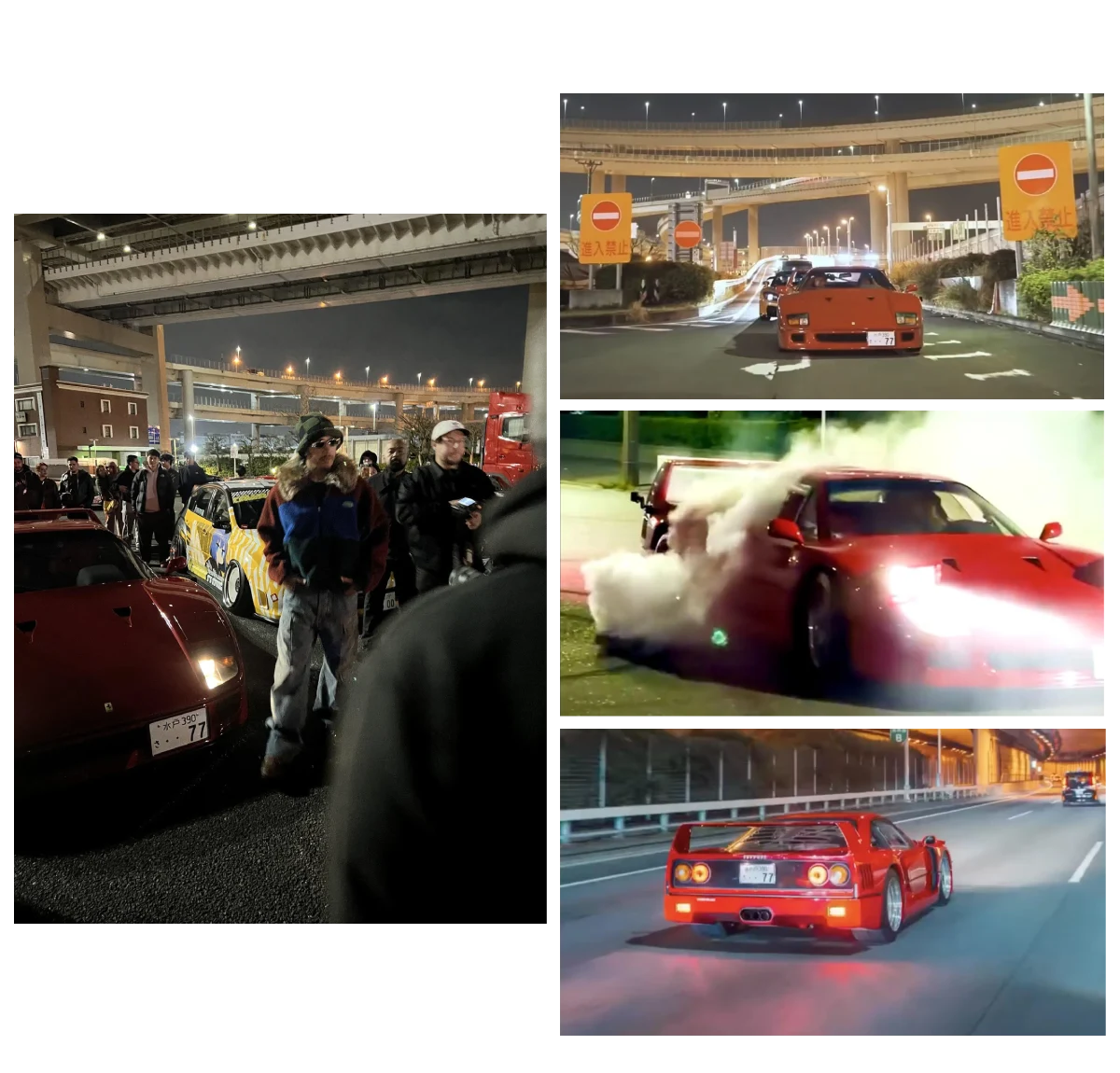
“Japan has had a strong domestic car industry and enthusiast culture since the 1960s,” says car photographer Xi Chen, (@scvission). “From the 1980s to the 1990s — what many people consider the golden era of enthusiast cars — Japan also happened to be at its financial peak. That combination created an incredibly deep and mature car culture.”
Gradually propelled by a cult community and the blossoming global love of Japanese culture, the scene feels particularly relevant in 2026. Tokyo Drift by Teriyaki Boyz has been viral on global video sharing app TikTok for the past six years and counting. A-lister couple Lewis Hamilton and Kim Kardashian even chose to soft-launch their relationship as part of the race car driver’s “Tokyo Drift Vol. III” series, showcasing his off-track car control in an unforgiving Ferrari F40.
Social metrics demonstrate its popularity. On Xiaohongshu (also known as RedNote), China’s answer to Instagram, the hashtag #drift (漂移) has amassed 759.6 million impressions. On TikTok, the hashtag appears in more than five million videos.
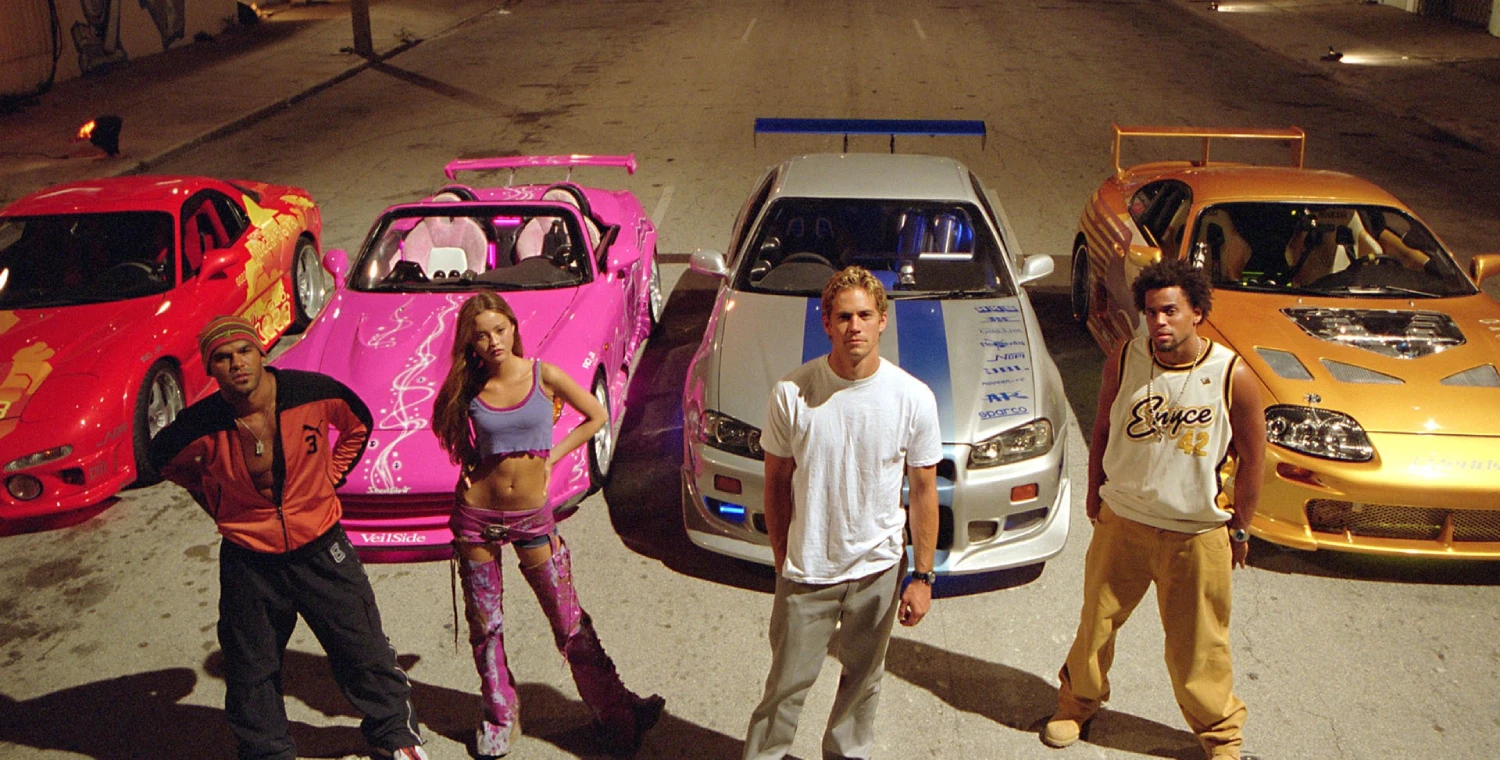
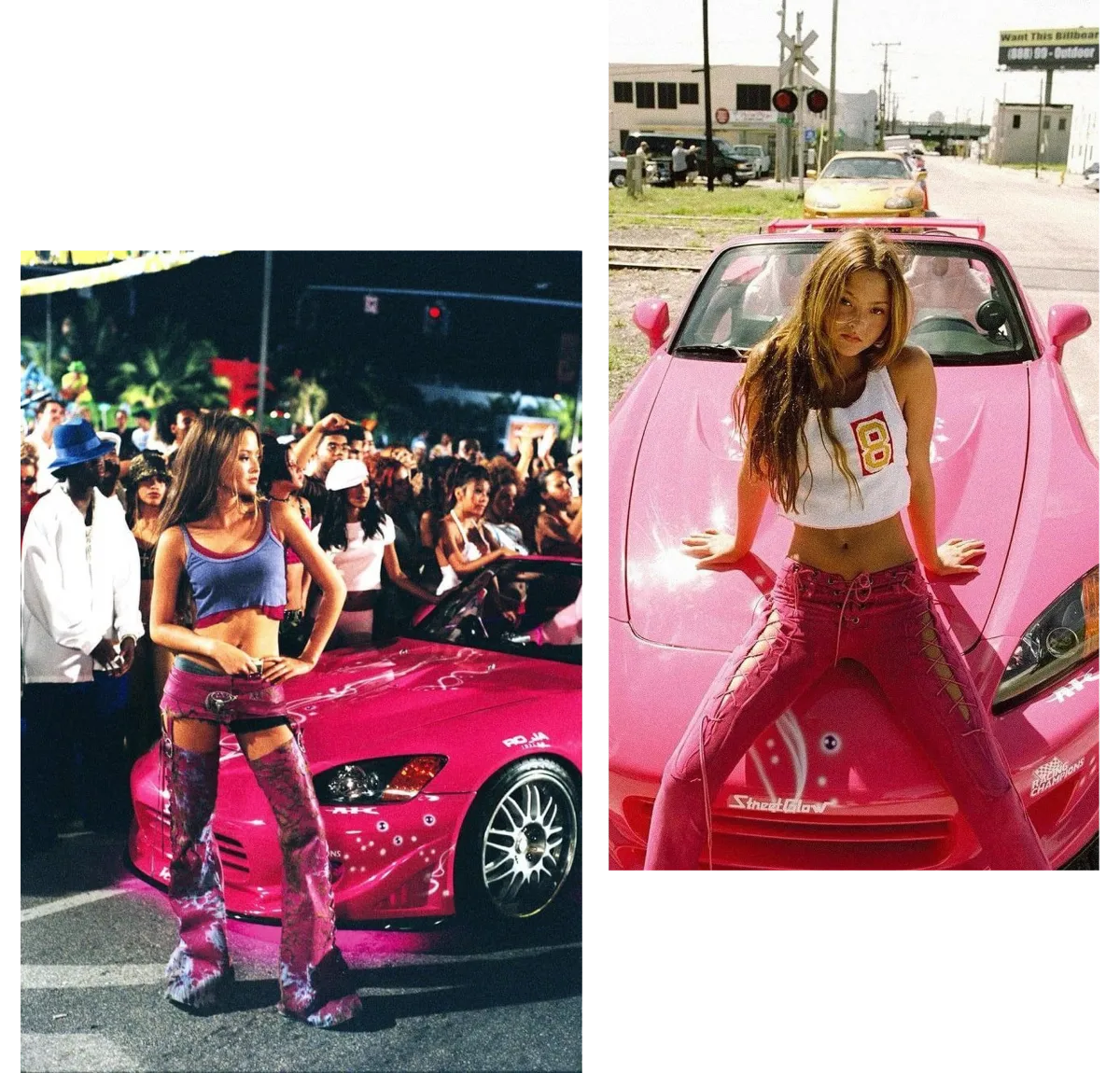
Adding to that, the associated Y2K-tech aesthetic is trending. Actress Devon Aoki’s low-rise embellished jeans and cropped tanks in Tokyo drift movie 2 Fast 2 Furious (2003) would definitely not look out of place among Gen Z creators posting on Douyin or TikTok today.
Some of Japan’s leading streetwear brands like A Bathing Ape (Bape), Wacko Maria, and Neighborhood have adopted the style of drifting, frequently featuring motorsport-inspired striping, logo-like appliqués, and bold color palettes that evoke the energy of Tokyo’s illuminated expressways. More low-key Japanese casualwear brands such as Yankii Garage, Happy Endings and Tokyo Drips, have built their entire identity around it, focusing on enthusiasts over fashion consumers.
Then there is Car Service, founded by Kei Hashimoto. The clothing brand initially began life around 2015 as an Instagram account documenting cars and the people surrounding them. Today, it also offers the community its own workwear-inspired uniforms, mechanic jackets and utilitarian silhouettes. The collection reflects a broader shift. For years, fashion has borrowed from motorsport through Formula 1 sponsorship logos and racing jackets.
But streetwear’s latest automotive obsession is more specific in its incorporation of Japanese drift culture. Less polished than Formula 1 and more rooted in youth rebellion and subculture, drifting offers designers a visual language of modified cars, DIY mechanics and a punk edge. Offering community events like tattoo sessions and exhibitions, Car Service embodies the artistically urban lifestyle reflected in contemporary drift culture — often seeing collaborations with Japanese car clubs like Free Liberalist or local streetwear brand Sugarhill.
Popular culture has long connected automotive obsession with clothing. Rewatching the early Fast & Furious films feels surprisingly contemporary. Michelle Rodriguez’s Letty first appears in low-slung cargo trousers, chunky boots and dog tags. In 2 Fast 2 Furious, Ludacris is rarely seen not wearing a boiler suit. Both garments have returned to fashion's mainstream, years after they first became associated with garages and street racers.
The overlap between motorsport and fashion has emerged more powerfully in recent years. LVMH-partnered motorsporting event Formula 1 drivers are front-row fixtures at fashion weeks, luxury houses sponsor racing teams, and vintage racing jackets regularly appear on resale platforms.
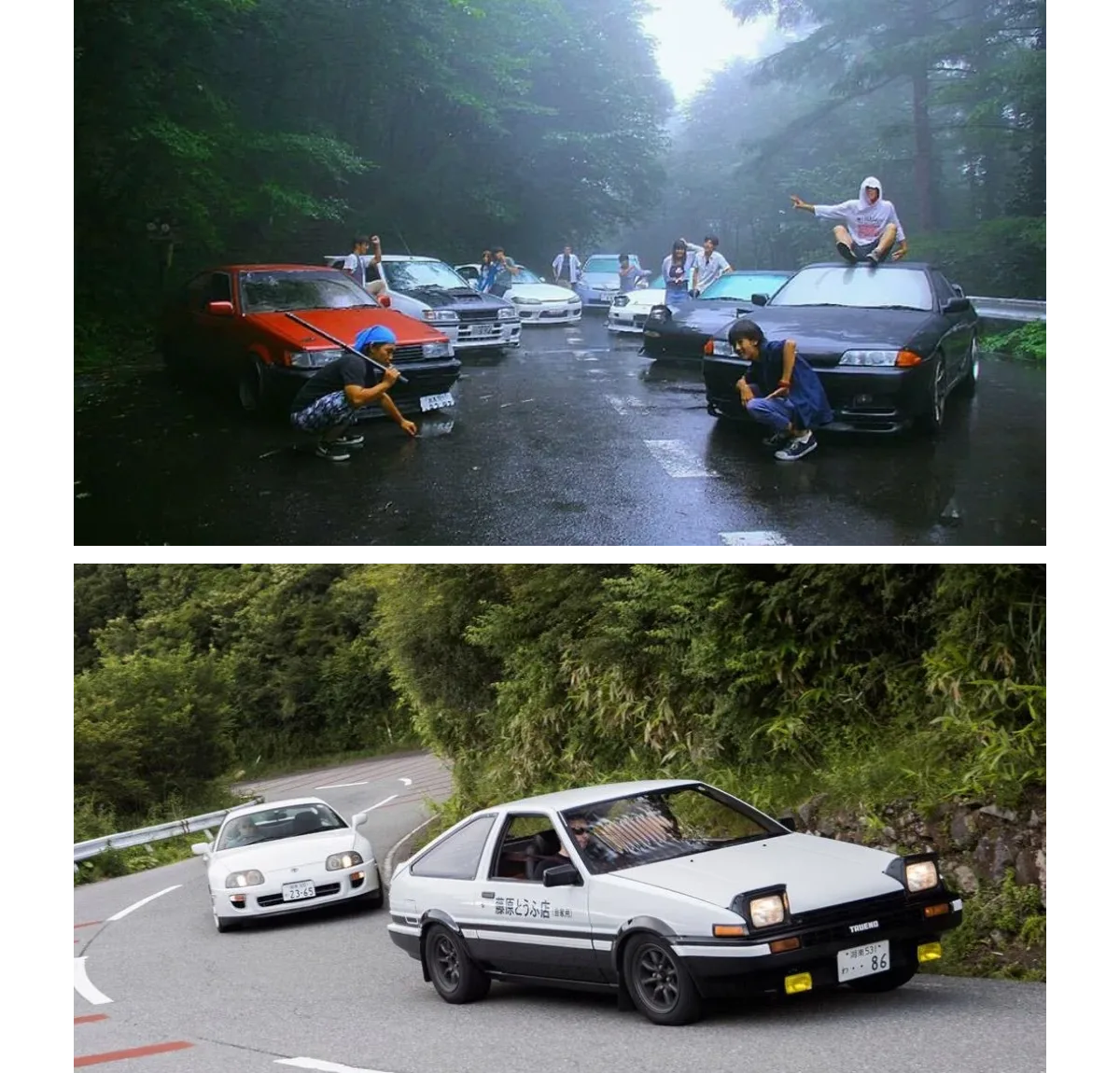
Yet, drifting possesses something Formula 1 lacks: rebellion, grassroots authenticity, and a natural edge. Its heroes are not corporate-backed athletes but enthusiasts building cars in garages, repairing bodywork with zip ties and celebrating mechanical imperfections. That spirit traces back to Japan’s mountain roads. Street racing has deep roots in the country’s automotive culture, particularly through Touge racing on narrow mountain passes.
Chen says, “What I love most about Tokyo is what I’d call the interesting car density. On a sunny weekend, you genuinely can’t walk a few blocks downtown without seeing something interesting — whether it’s a perfectly preserved kei car, a rare air-cooled Porsche, or a wild tuned car leaving a parking garage. Cars are just deeply integrated into daily life and the city’s identity.”
The appeal of drifting specifically has since spread far beyond Japan. Initial D introduced generations of fans to Touge culture, while The Fast and the Furious: Tokyo Drift transformed drifting into a global phenomenon. But the reason the culture continues to resonate goes beyond film or nostalgia. Cars in Japan have long functioned as a form of self-expression. Much like clothing, tattoos or music taste, modified cars are a form of identity curation for collectors and consumers. Fashion has always been fascinated by subcultures that build their own visual codes. Japanese drifting culture happens to be one of the richest examples still thriving today.
This report was first published on Jing Daily. For more reportage on cars and culture, subscribe to Jing Daily's Cars & Culture newsletter, created in collaboration with CART Department.
.webp)

.webp)