All 20 BMW Art Cars Reunite in Munich
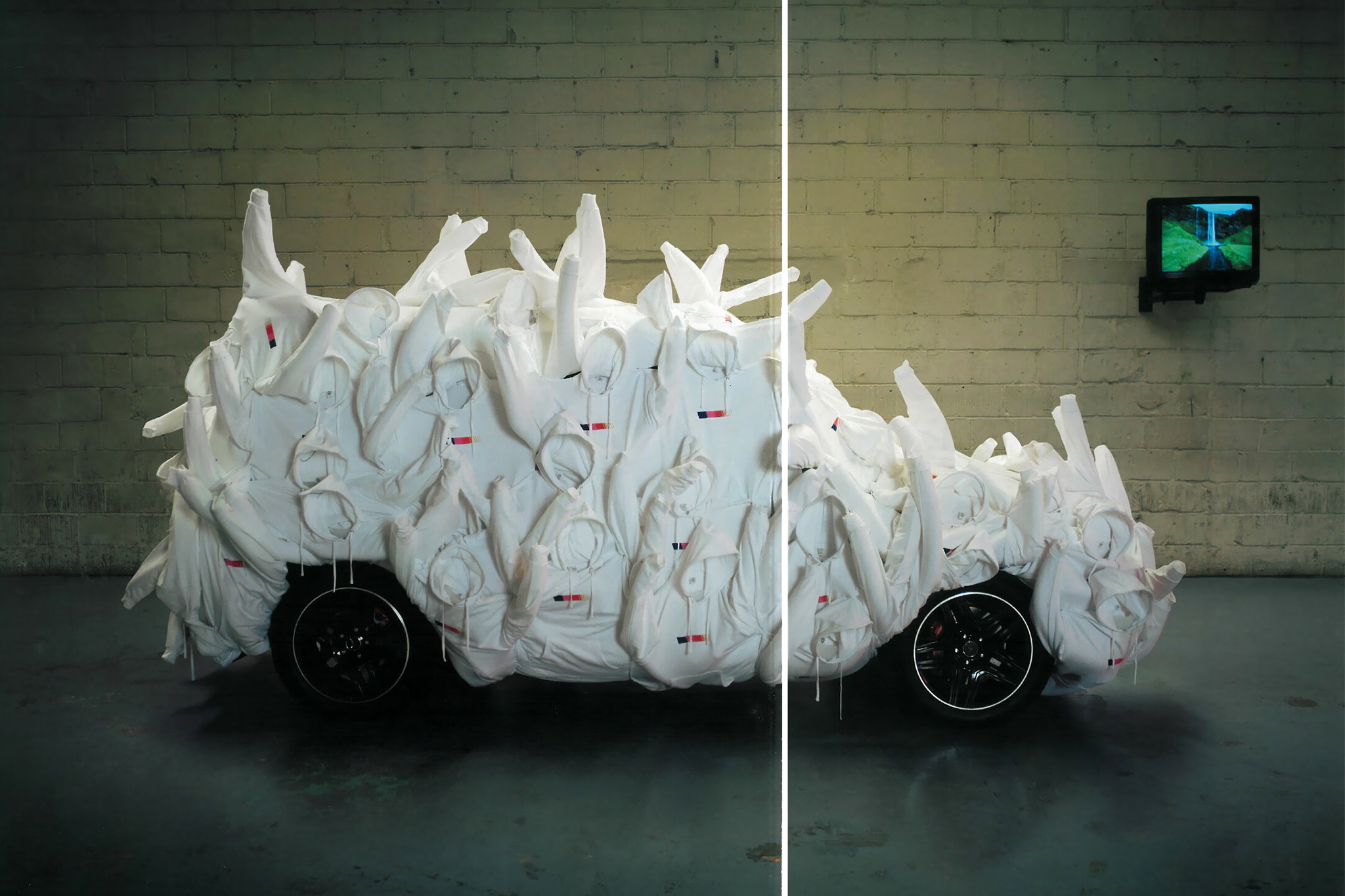
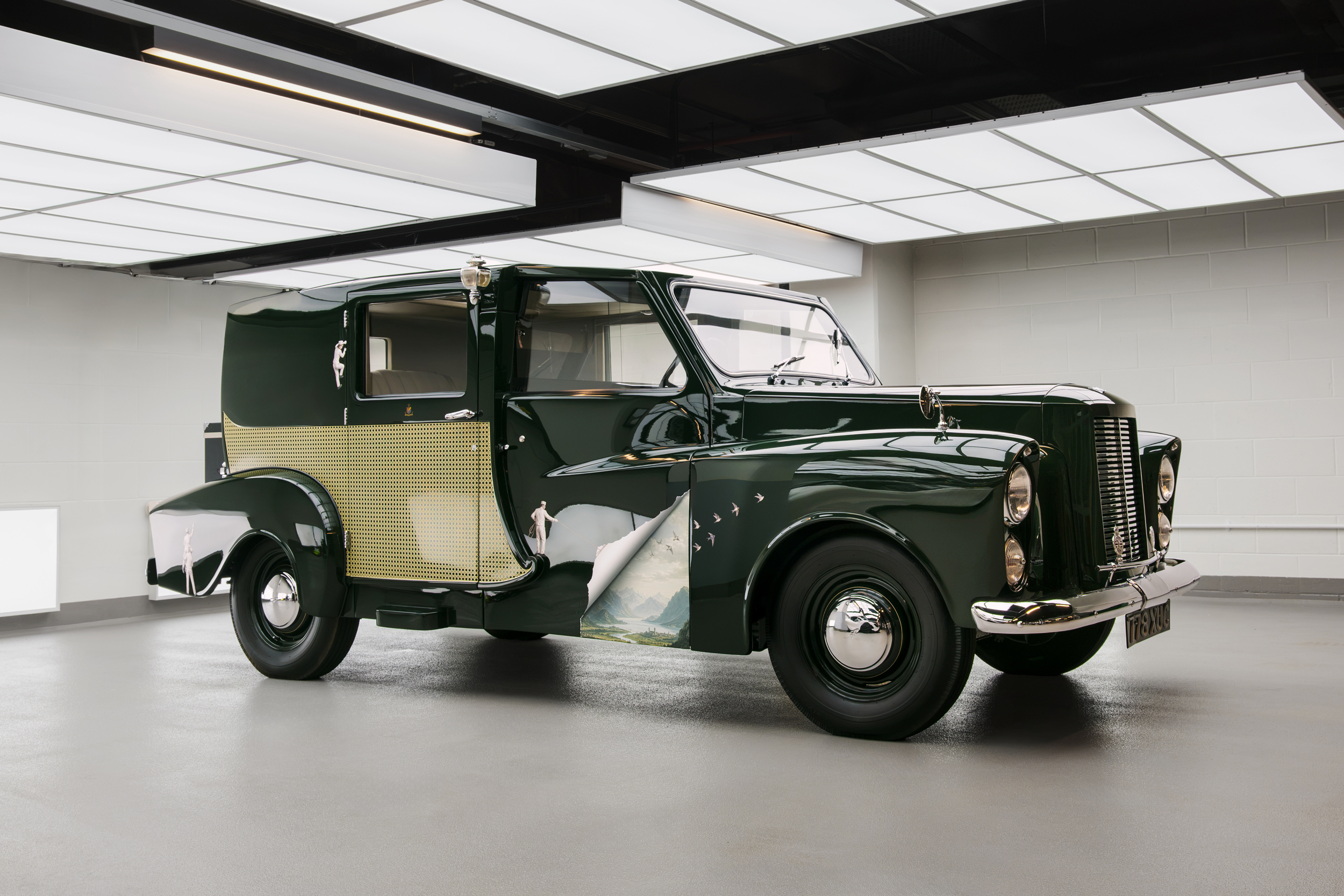
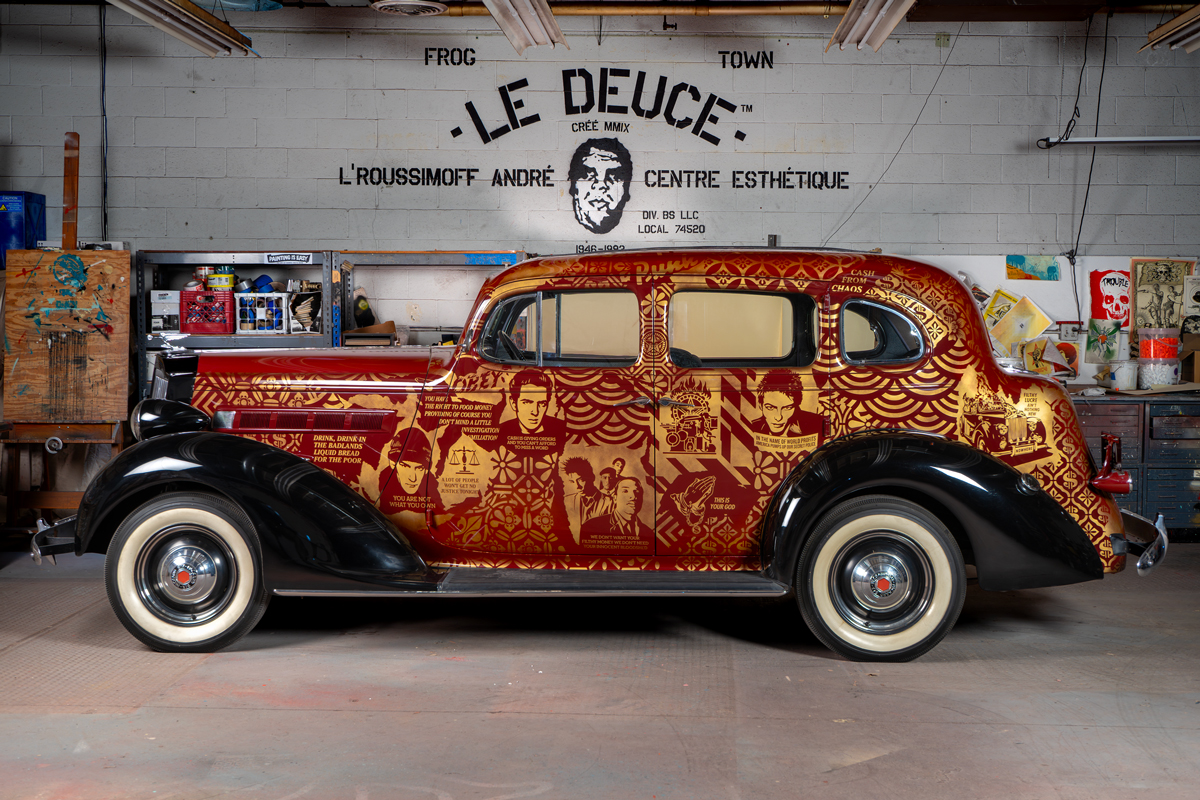
At CART Department, we have always looked at art cars as more than decorated vehicles. They sit in their own creative category, somewhere between sculpture, design, engineering and popular culture. The car becomes a surface, a material and a cultural language that artists can pull apart and reconsider. Few collections have done more to establish that idea than BMW’s Art Car series.

For the first time, all 20 BMW Art Cars are being presented together in one place. Opening at BMW Welt in Munich, BMW Art Cars: 20 Artists, 50 Years of Innovation. Reunited at BMW Welt brings the full collection under one roof from July 29 through August 31, 2026.
The exhibition also closes out the BMW Art Car World Tour, which presented works from the collection across more than 30 countries in celebration of its 50th anniversary.
The story began in 1975, when French racing driver and art auctioneer Hervé Poulain invited Alexander Calder to transform a BMW 3.0 CSL for the 24 Hours of Le Mans. Developed with Jochen Neerpasch, then Head of BMW Motorsport, the project was initially expected to be a one-time collaboration. “When we prepared the first automotive art installation with Alexander Calder for the 24-hour race at Le Mans, we assumed it would be a one-off event,” Neerpasch recalls. “But even when the artwork was created and the Calder BMW 3.0 CSL was presented in Paris, and certainly when it was racing at Le Mans, we were convinced that it would not be the last art project involving cars. I would never have dreamed that it would become the world’s most important automotive art series.”
Calder’s car established a format that still feels radical. It was not simply an artwork placed on a car, or a race car carrying an artist’s graphics. The vehicle itself became part of the work, and then competed at Le Mans in front of a global audience. Over the next five decades, BMW invited some of the most influential voices in modern and contemporary art to respond to the automobile. Frank Stella, Roy Lichtenstein, Andy Warhol, Robert Rauschenberg, Esther Mahlangu, David Hockney, Jenny Holzer, Olafur Eliasson, Jeff Koons, Cao Fei, John Baldessari and Julie Mehretu are among the artists represented.
That thinking sits at the center of CART Dept’s own work. Through exhibitions, editorial projects and artist-led commissions, the platform has continued to explore the automobile as a cultural object and a legitimate artistic medium. Rather than separating car culture from contemporary art, CART Dept looks at the points where the two naturally overlap.
The BMW collection provides one of the clearest histories of that exchange. Its vehicles span generations of automotive development, from the BMW 3.0 CSL and BMW Z1 to the hydrogen-powered BMW H2R and the BMW M Hybrid V8. Seen together, the cars form a timeline of changing artistic ideas as well as developments in design, racing and engineering.

Mehretu’s project also shows how the Art Car program has grown beyond the physical vehicle. Alongside creating her BMW M Hybrid V8, she co-founded the African Film and Media Arts Collective with film producer and screenwriter Mehret Mandefro. The initiative supports artists and filmmakers from Africa and its diaspora, with its first major exhibition scheduled to open at Zeitz MOCAA in Cape Town in December 2026.
From there, the presentation moves backward through the history of the collection. A timeline running through the auditorium places each Art Car within the artistic and technological context of its period. The exhibition concludes with the earliest cars displayed on a podium, with Calder’s BMW Art Car #1 taking center stage.
A major highlight is Olafur Eliasson’s BMW H2R Project, installed on BMW Welt’s East forecourt. Munich marks only the fourth time that the work has been publicly shown as a complete installation since its 2007 premiere. “By bringing together art, design, social and environmental issues, I hope to contribute to a different way of thinking-feeling-experiencing cars and seeing them in relation to the time and space in which we live,” Eliasson said.
Bringing all 20 BMW Art Cars together makes it possible to see the collection as more than a series of major artist collaborations. It is also a history of the art car itself, and of the many ways a familiar machine can become sculpture, image, performance and cultural record.
“As a concept, the art car unites two fields of interest that are usually considered quite separate. For me, that’s part of the appeal,” said CART Department founder Larry Warsh. “If you’re a car person, art cars can open new possibilities for thinking about these essential machines as the basis of further creative expression, as well as being achievements in their own right.”
For CART Department, that is what keeps the category interesting. Art cars allow artists to work with an object that already carries design history, technological ambition and personal meaning. The artist does not begin with a blank canvas. They begin with something that already moves through the world.
BMW Art Cars: 20 Artists, 50 Years of Innovation. Reunited at BMW Welt is on view at BMW Welt in Munich through August 31, 2026.
.webp)

.webp)