.webp)
Harrison Boyce creates the most emotive car ads you've ever seen
Harrison Boyce is a director and photographer who manages to craft intimately romantic, cinematic storytelling for powerhouse brands. His Porsche x Aimé Leon Dore campaign films helped define the look, with other film work featuring the likes of BMW, Air Jordan, Rimowa, and music artist Pusha T.
What is your personal relationship with cars?
Cars have always been less about collecting for me and more about where they can take you. They've given me a reason to travel, explore and spend time with people I care about. Most of the time, I have a camera with me, so driving and photography have naturally become connected. I love the design and mechanics of cars, but I'm probably even more interested in what happens around them and the relationships I've built because of them. Some of my best friends I have today have all been built through our mutual love of cars.
What's been your favorite campaign that you've worked on involving automotives?
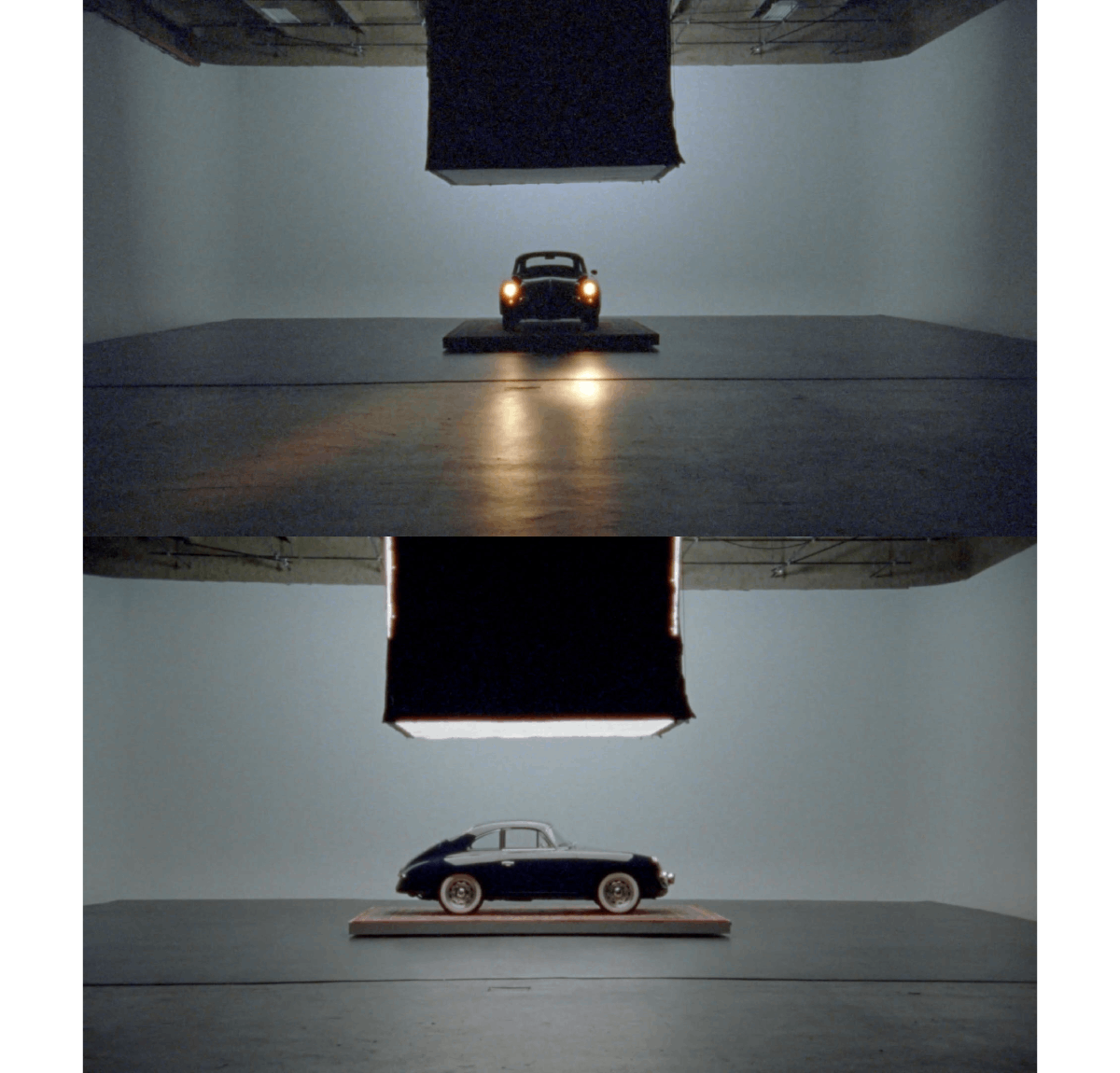
The first Aimé Leon Dore and Porsche campaign still stands out. It was a pivotal project for me as a director, and I think it was also an important moment for ALD as a brand. It became the foundation of my relationship with Teddy and started a body of work we've now been building for years. The first shoot was made with a very small budget and a scrappy crew. It was really just a group of friends out in the world trying to make something we believed in.
We still talk about that time a lot. One thing I felt strongly about was that we needed to actually drive the car hard. A lot of automotive imagery treats the car like a sculpture. I wanted someone who truly loves to drive cars to look at the work and know that we had used it the way it was built to be used. Teddy understood that immediately. It's still pretty wild that he spent months restoring the car and then let us rip it through the snow before it had ever been photographed or shown publicly.
Tell us about shooting Aimé Leon Dore x Porsche — do you think the collaboration made sense aesthetically/ what did you enjoy about the collab?
It made complete sense aesthetically, but I think the deeper reason it worked was that the relationship was real. Teddy genuinely loves cars. Porsche has a deep design history. Neither side was borrowing from the other just to make noise. Car collaborations are everywhere now, but in 2019 the first project felt like a much bigger leap. Fashion and automotive culture weren't crossing over at this scale nearly as often. Being there from the beginning and directing every campaign has allowed us to build a world over time instead of treating each project as a one-off.
We've had a rare amount of creative freedom. We've traveled to incredible places, but more importantly, we've been able to keep pushing the story forward while staying true to what made the first campaign work. It never feels like I'm stepping into someone else's culture to make something.
How have you seen music/fashion/pop culture and the world of cars (or even motorsports) cross over during your career? Any projects stand out in particular?
When I started working, fashion and automotive culture still felt much more separate. There were obviously connections, especially through music, but today they're almost impossible to pull apart. What's changed is the level of knowledge in the audience. People know the models, the references and the history. They can tell when a car has been chosen because it looks good and when it reflects a real point of view. That has made authenticity much more important. I think that's why the strongest work in this space feels more like documenting something real, rather than advertising.
How did the trip to Northern Italy with Ferrari come about back in 2024? Can you tell us a bit about it?
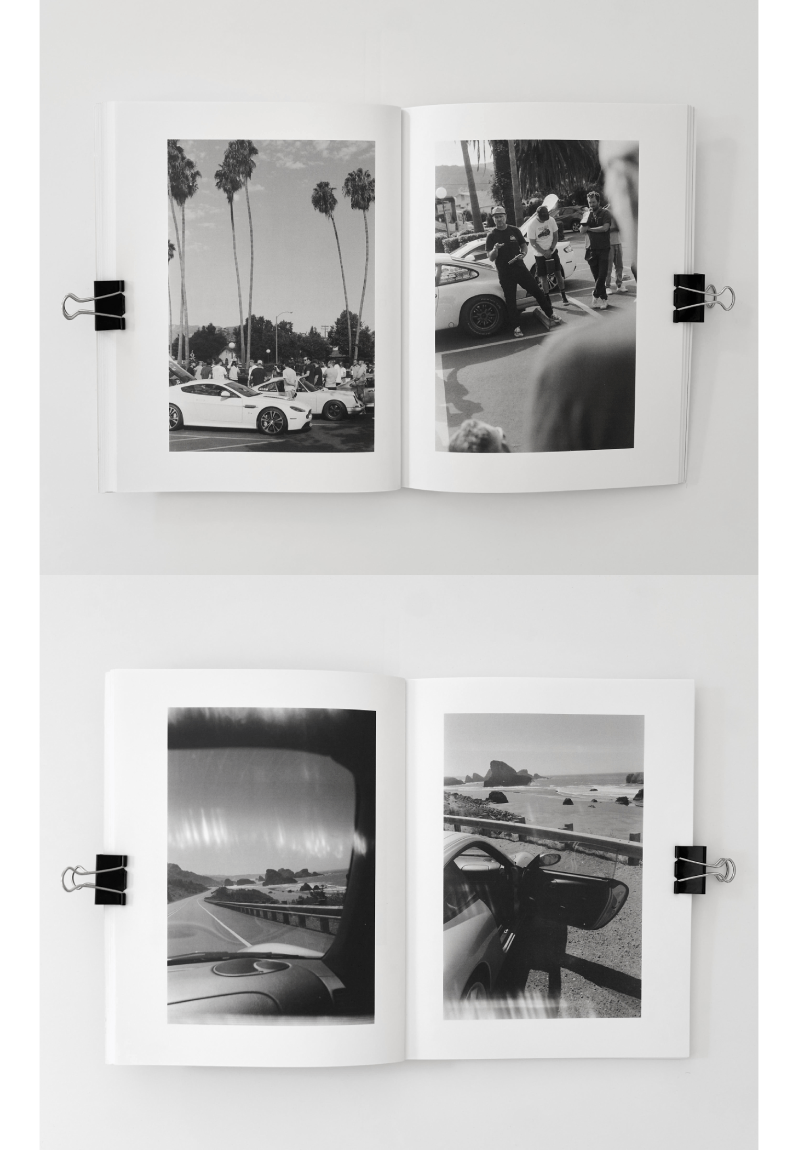
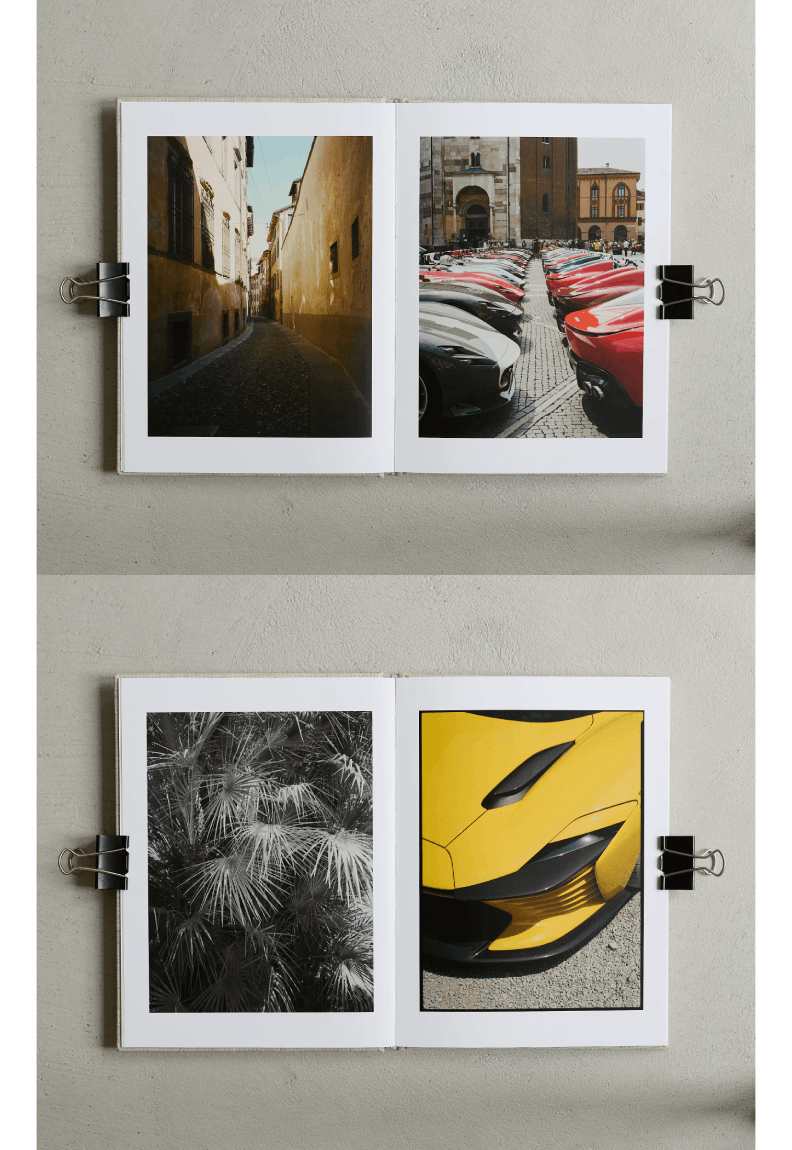
That trip came about through one of my best friends, Steven Victor. He invited me to go with him on the Ferrari Icona Cavalcade. This Cavalcade was different because it was only Ferrari Monzas. The moment that stands out was when Steven offered to let me take his Monza on my own for the day. Driving through the back roads of Italy in a pack of around 100 Monzas is difficult to describe. It was one of those experiences where you're completely present because you know, even while it's happening, that you'll probably never experience anything like it again. I ended up making a small run of self published books from the trip.
Which car brand is winning at culture right now?
It isn't a traditional car company, but FOUND OBJECTS is the first brand that comes to mind. I love what Blake is doing with the bags and small leather goods, but I'm even more interested in the world he's creating around them. The brand feels like a direct expression of his personal taste. The cars, the objects, the photography and the way he lives all feel connected. Nothing seems added just because automotive culture is popular right now. That kind of clarity is rare. You can tell when a brand comes from somebody's actual life instead of a marketing strategy. I'm excited to see where he takes it.
What do cars mean to you as a mode of creative expression?
What cars mean to me is their ability to take you somewhere. Driving gives you access to places, people and experiences you might never reach otherwise. I always bring a camera on those trips, but I'm not just photographing the car. I'm after the small details that preserve the memory. For the past few years I've done a drive with my dad, from Seattle down the coast to LA for a rally with friends. It's become one of the best ways we spend time together, and I made a book from one of those trips. It's quiet and personal, made for no reason other than the fact that it meant something to me.
What aspects of our relationships with cars do you think commercial projects try to highlight the most?
Car ads have always leaned on aspiration. Perfect road, perfect house, perfect life. There's a place for that, but the emotional side is way more interesting to me. People remember who taught them to drive. They remember the first road trip with friends, or the car their parents had, or the one they saved years for. Cars end up holding entire chunks of your life. If it were up to me, I'd spend less time on the car as an object and more on what happens because it exists.
What are you working on right now/ any exciting plans for 2026?
I'm answering this from a flight back to Italy, where I'm scouting for a new project. I can't share much yet, but I'm getting the same feeling I had while preparing for the first ALD and Porsche shoot. There's a sense that we have the opportunity to make something that can live beyond a single campaign. I’m also continuing to build Group Thrpy, my production company, around that same idea. I want it to be a home for work that brings together strong storytelling, real cultural knowledge and the kind of trust that allows ambitious ideas to happen.
A lot of what I'm focused on in 2026 is pushing my storytelling. The automotive world is still a huge part of that, but I'm always looking for human stories inside everything I do.
.webp)