Where do the world's hottest artists, musicians, celebs and creators gather now? F1.
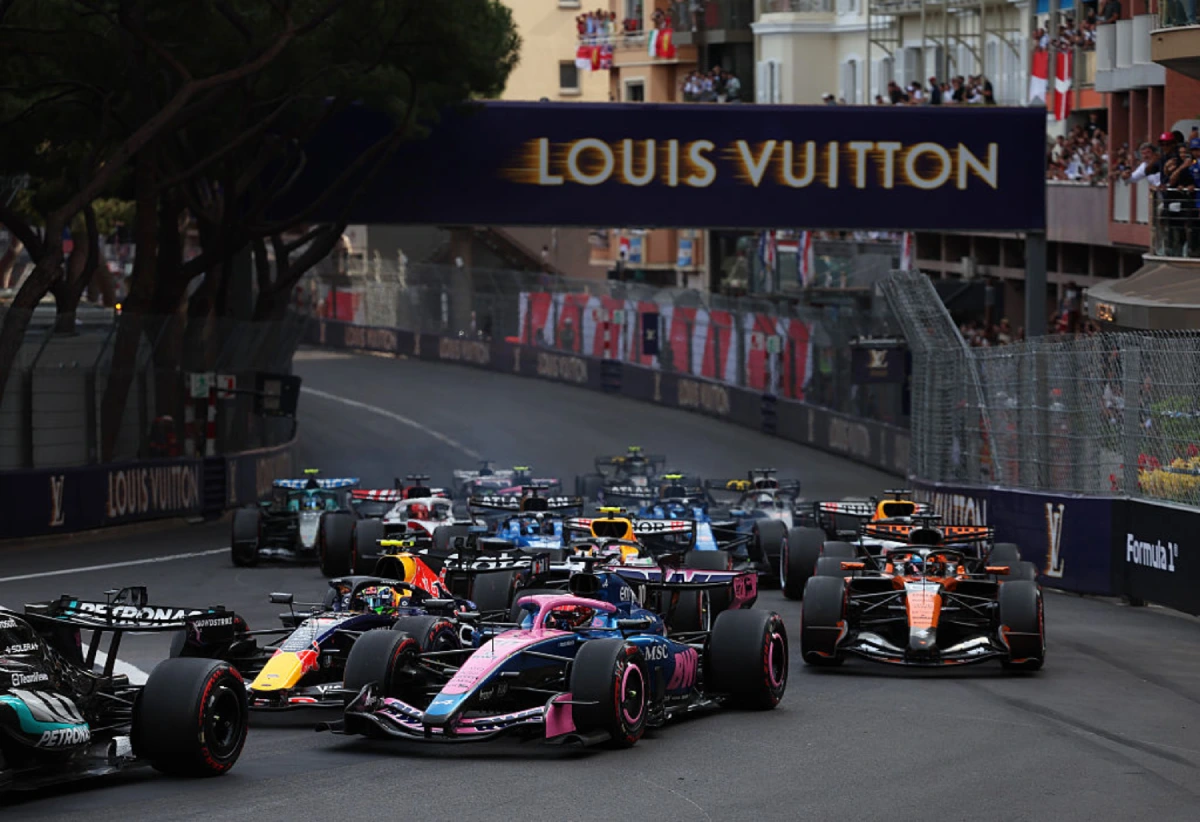
Walk through the grounds of a modern Formula 1 Grand Prix and it quickly becomes apparent that the circuit is only one part of the experience. While the race remains the undeniable centerpiece, the event that surrounds it has evolved into something far more expansive than a weekend of motorsport. Concert stages rise alongside grandstands, luxury brands construct immersive hospitality spaces, chefs create exclusive dining experiences, technology companies unveil new products, investors gather for private forums, creators produce content from every corner of the paddock and fans move between exhibitions, entertainment and interactive experiences before a single car has turned a wheel.
For many visitors, these experiences are no longer secondary attractions. They are the reason for attending in the first place.
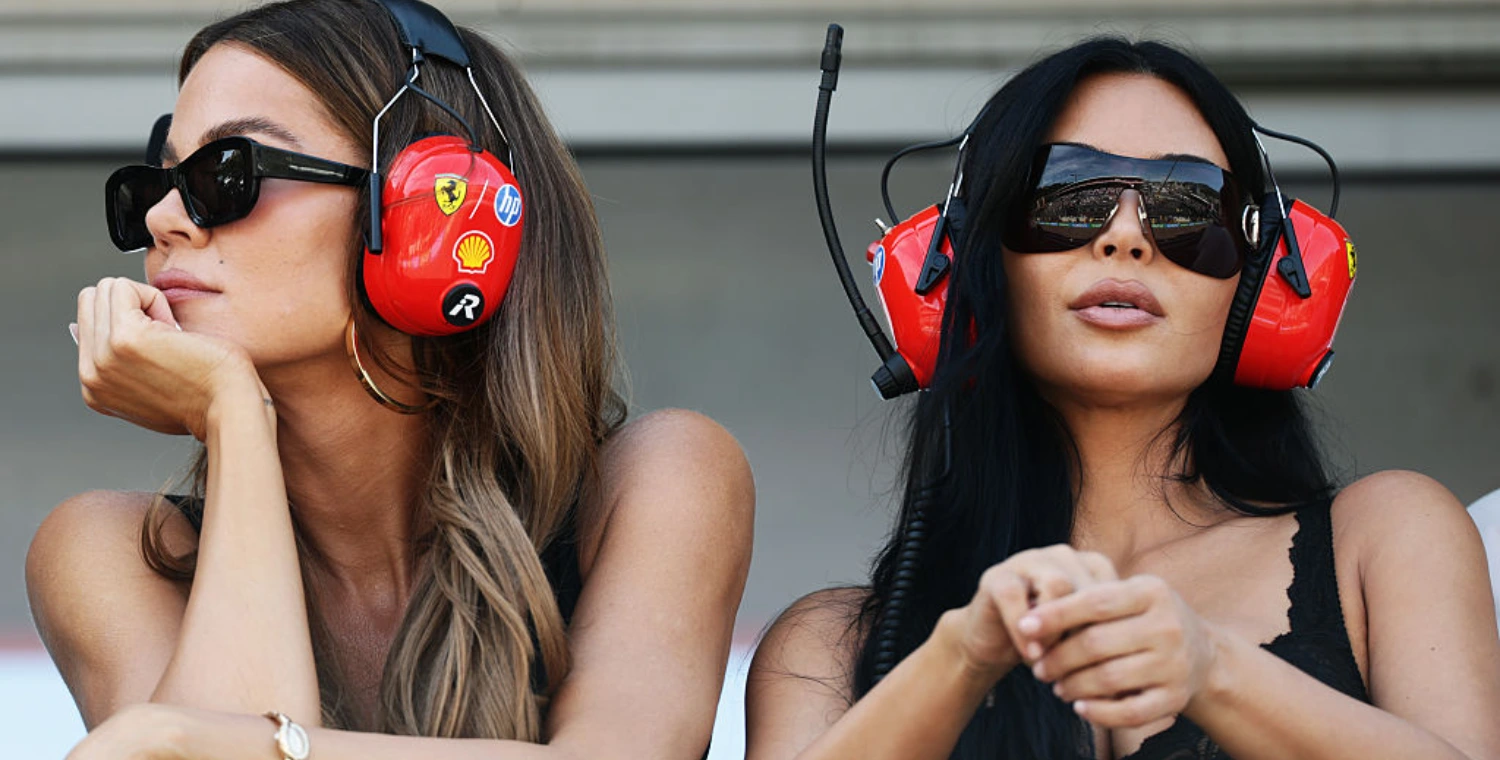
Fashion, music, tech, and even food have become fan gateways to F1.
That observation reveals one of Formula 1’s most important strategic shifts over the past decade. Rather than asking how to persuade more people to become motorsport fans, the championship has broadened the question entirely. It has focused on creating more entry points into the Formula 1 ecosystem, recognising that audiences rarely arrive with identical interests. Some are captivated by engineering. Others by fashion, music, food, business, technology or design. The objective is not to replace the racing but to build enough moments around it that almost anyone can find a reason to engage.
It is a philosophy more commonly associated with the world’s leading museums, festivals and cultural institutions than with elite sport. Great cultural programming has never been about presenting a single attraction. It is about curating a collection of complementary experiences that appeal to different audiences while reinforcing a common narrative. Formula 1 has quietly adopted precisely the same approach, transforming each Grand Prix into a multi-dimensional platform that extends far beyond the boundaries of the circuit itself.
A music fan attending a headline concert, a founder participating in an innovation summit, an executive hosting clients in hospitality or a family exploring interactive fan experiences all become participants in the same event. They may begin their weekend with entirely different motivations, yet they leave having shared the same cultural moment. The race remains the gravitational center, but the programming dramatically expands the universe that surrounds it.
In Singapore, the city is the event.
Singapore remains one of the clearest examples of this philosophy in action. During Grand Prix week, the city transforms into a carefully orchestrated programme of experiences that extends well beyond the Marina Bay Street Circuit. International artists perform nightly, luxury hotels host private events, restaurants curate bespoke menus, galleries stage exhibitions and business forums fill the city’s meeting spaces. Formula 1 provides the occasion, but the city builds an ecosystem around it that reflects Singapore’s identity as a destination for innovation, hospitality and luxury.
One of the smartest examples of this, and something I’ve always admired about the Singapore Grand Prix, is how early it recognized that world-class gastronomy could become part of the event itself. Long before “experiential marketing” became fashionable, the organizers were programming Michelin-starred chefs into the Paddock Club, not simply to elevate the dining experience, but to create another cultural reason to attend. I remember Nobu Matsuhisa bringing the Nobu experience to the paddock, followed by Jean-Georges Vongerichten, and in later years names such as Heston Blumenthal, Neil Perry and Singapore’s own Michelin-starred chef Malcolm Lee of Candlenut.
Looking back, I realize just how far ahead of the curve it was. They weren’t simply serving exceptional food, they were broadening the audience. A passionate foodie who may never have traveled for Formula 1 suddenly had a compelling reason to spend the weekend immersed in the championship. To me, that remains one of the best examples of cultural programming in global sport. Every chef, every exhibition, every concert and every activation becomes another gateway into the Formula 1 ecosystem, enriching the experience without ever taking anything away from the racing itself.
.webp)
In Miami, Austin, and Monaco, local culture is the draw.
Miami leans into lifestyle, fashion and celebrity culture. Austin draws on its deep musical heritage. Monaco continues to embody exclusivity and timeless glamor. Abu Dhabi has developed a sophisticated blend of entertainment, investment and luxury hospitality. Each destination interprets Formula 1 through its own cultural lens, proving that there is no single blueprint for successful programming. Authenticity matters more than replication.
This should be the takeaway for every sporting property. The most successful events no longer ask audiences to care about the competition before they arrive. Instead, they create multiple pathways into the experience, recognising that passion often develops after participation rather than before it. Programming becomes an invitation, lowering the barrier to entry without compromising the integrity of the sport itself.
What does this all mean for brands?
For brands, this creates opportunities that scarcely existed a decade ago. Formula 1 is no longer simply a place to display a logo or entertain clients. It is a canvas upon which companies can build experiences that express their own identity while contributing to the wider narrative of the event. Whether through design, food, music, technology, innovation or art, thoughtful programming has the ability to deepen engagement in ways that traditional sponsorship alone rarely achieves.
Ultimately, Formula 1’s greatest innovation may not have been making motorsport more entertaining. It was recognizing that people connect with culture through many different passions, and that a truly modern sporting property should embrace all of them. The checkered flag still marks the end of the race, but it no longer defines the limits of the experience. The world’s most successful Grand Prix weekends have become carefully curated cultural ecosystems, where every concert, exhibition, conversation and activation creates another opportunity for someone to discover Formula 1 for the very first time.
I hope every sporting code out there is taking notes.
This article was first published on Jing Daily as Formula 1's masterclass in cultural programming.
Subscribe to our Cars and Culture newsletter published in collaboration with Jing Daily.
.webp)

.webp)