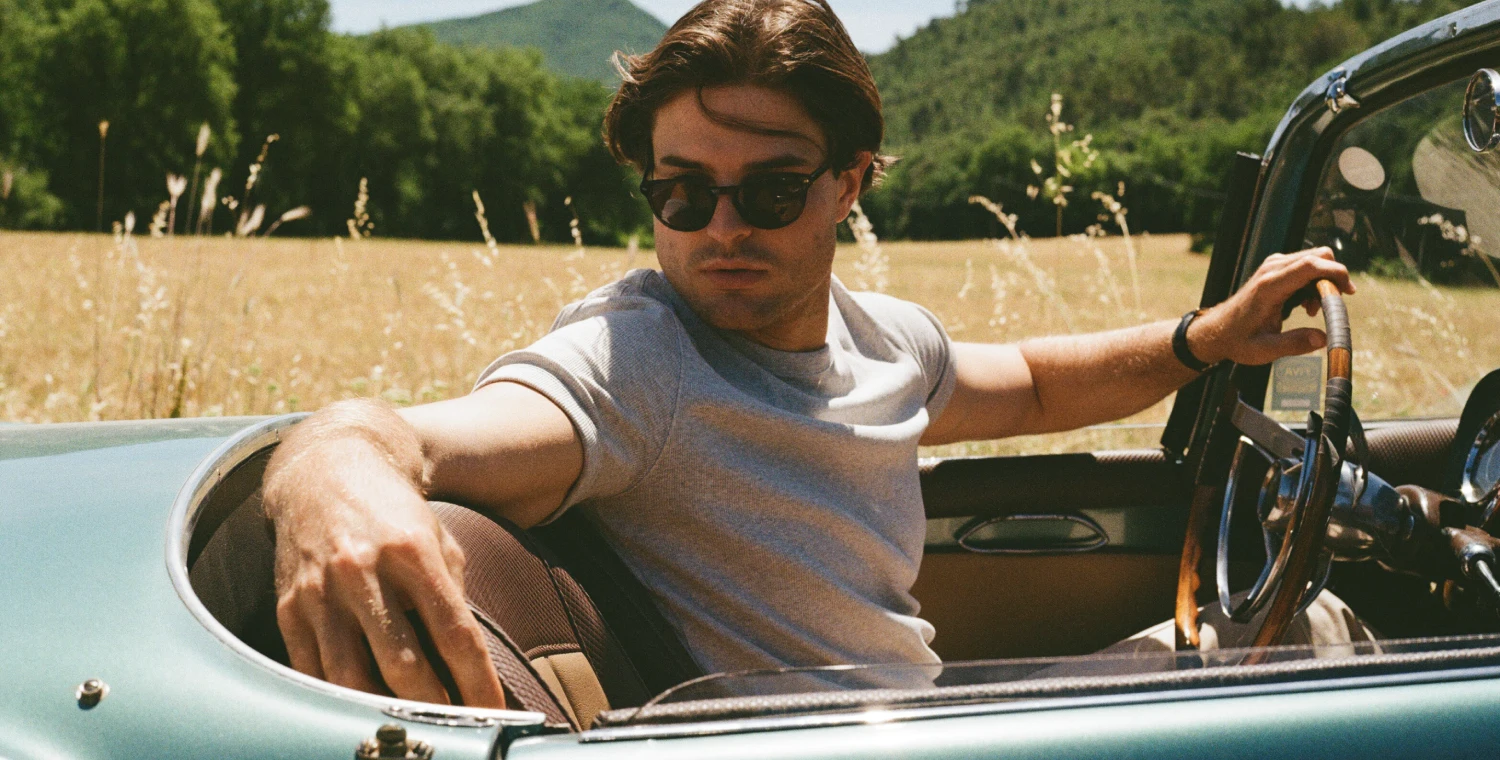
Who wants to go slow? Filippo Morano does.
"So much of the world has become very corporate, gray, cold, and functional. Sometimes, it feels as if beauty has become an afterthought." This is why Switzerland-based Filippo Morano founded classic menswear-focused @gentlemensgram and @tuxedosociety, an exclusive private members' club. Both are an ode to the bygone eras of Old World-charm and slow, leisurely living. In a world that seems to be only gaining speed, Morano believes true beauty lies in slowing down.
What made you want to start Gentlemen’s Gram, Tuxedo Society, etc? Was there an aha moment or a particular catalyst?
The original idea came from a deep appreciation for classic, timeless aesthetics and, in a way, from a reaction against how fast everything has become today.
When I started Gentlemen’s Gram in October 2017, there were already many pages showing a certain kind of modern luxury lifestyle, but I felt there was something missing: that old-world charm, the sense of elegance, depth, and romance that you find in classic architecture, vintage cars, tailoring, old hotels, handwritten letters, beautiful interiors, or even in small everyday objects.
Of course, many things are much better today than they were in the past. I do not want to romanticize everything. But aesthetically, I always felt that there used to be much more love for detail. Even things that did not necessarily have to be beautiful, like street lamps, paper bins, train stations, menus, uniforms, or shop signs, were often designed with care, color, character, and a sense of proportion. Today, so much of the world has become very corporate, gray, cold, and functional. Sometimes, it feels as if beauty has become an afterthought.
That was the first inspiration behind Gentlemen’s Gram: to bring back a certain appreciation for timelessness. Not in a nostalgic way, but in a way that reminds people that the most beautiful things usually do not follow trends. They age well. They have soul. They invite you to slow down.
What was your relationship to cars like growing up? When did you start really getting into cars?
My relationship with cars started quite naturally, I think, like it does for many young boys. I loved them before I really understood them. At the beginning, it was more about the obvious things: fast cars, Ferraris, Porsches, Mercedes, beautiful shapes, loud engines, and the feeling of excitement they created.
My father was always very passionate about cars as well, and at one point he had a classic car fund, so that world was always somewhere in the background. My uncle also works at Ferrari and is now the director of both museums in Maranello and Modena, so there was definitely a connection to that universe from early on. But interestingly, during my teenage years, my interest faded a little bit as I was focused on other things.
The real turning point came later through my work. I worked at RM Sotheby’s for their car auctions, and suddenly I found myself surrounded by these incredibly rare, beautiful, historically important cars. That was when I started seeing cars not only as objects of speed or status, but as pieces of design, engineering, history, and emotion.
How would you describe car culture today?
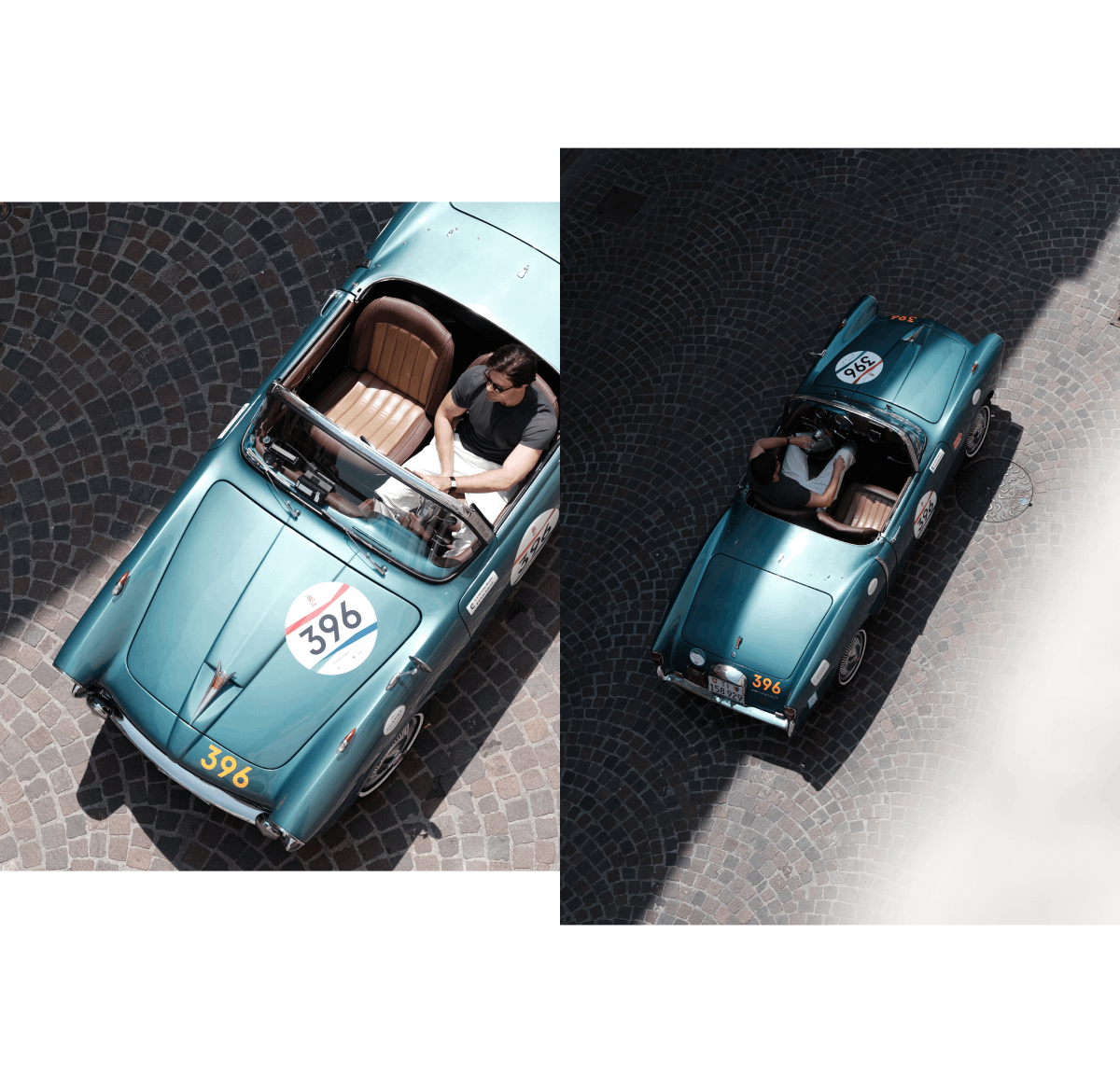
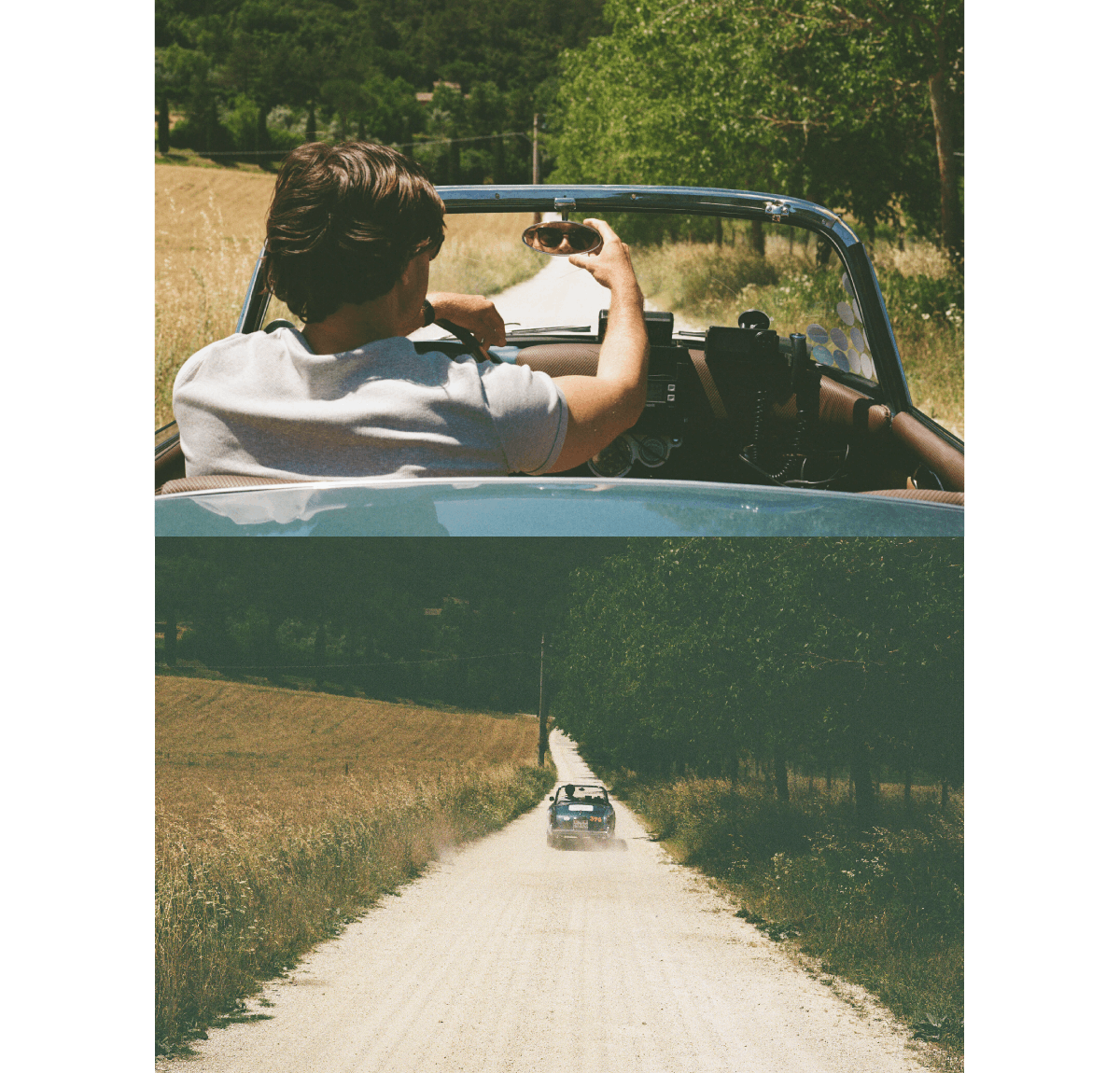
Car culture today is much more than just performance or status. For younger generations, cars have become part of a broader lifestyle. They represent freedom, taste, identity, and the experiences connected to them. Especially through social media, cars are often discovered in a very visual and emotional way: road trips, vintage rallies, cinematic videos, beautiful landscapes, and the atmosphere around them. A car is almost like a character in a story.
I also think there is a growing appreciation for classic cars, because they have something that feels very real and emotional in an increasingly digital world. You hear them, feel them, and connect with them in a different way.
How would you describe car culture in Switzerland?
Car culture in Switzerland is quite interesting because it is very discreet, but at the same time incredibly strong. Of course, Switzerland has a lot of wealth, so in places like Zurich, Zug, Gstaad or St. Moritz, you see some of the most expensive modern cars in the world. That naturally also attracts a lot of car spotters, especially in Zurich.
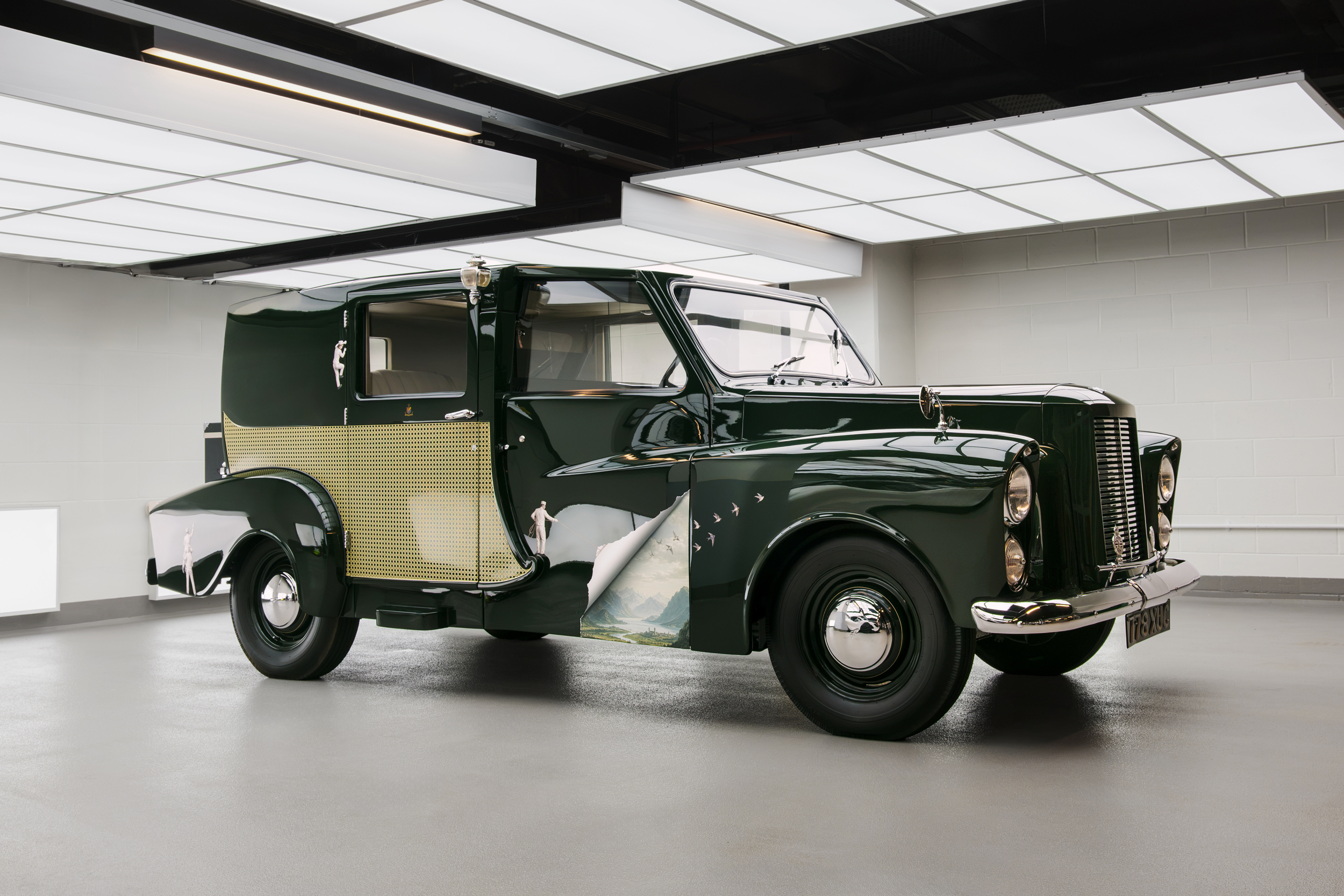
But I think the more interesting side is the taste for classic and collectible cars. Switzerland has a very refined collector culture. It is not only about having the newest or most expensive car, but often about provenance, condition, history, and design. There is a real appreciation for cars that are elegant, rare, and meaningful.
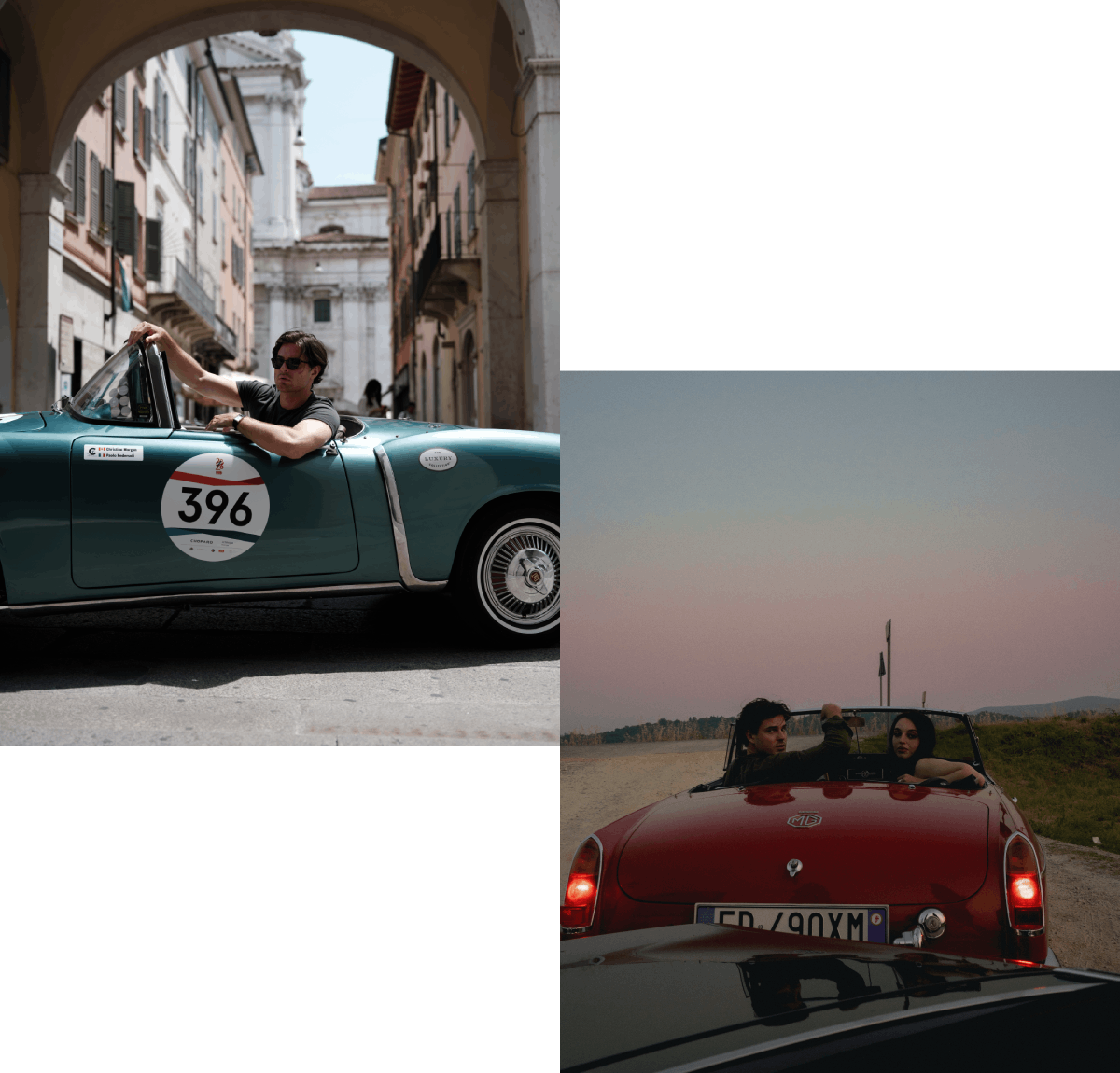
You also have this beautiful contrast between very understated Swiss everyday life and these extraordinary automotive moments: classic cars on alpine roads, vintage cars in St. Moritz, road trips through the mountains, or events like The I.C.E. on the frozen lake. That setting makes car culture in Switzerland feel very cinematic.
So I would describe Swiss car culture as quiet on the surface, but very serious underneath. It is wealthy, of course, but also tasteful, discreet, and deeply connected to beautiful landscapes and a strong appreciation for heritage.
How has digital culture influenced car culture?
Digital culture has completely changed the way people discover and experience car culture. In the past, you often had to grow up around cars, go to local meets, read magazines, or know people who were already part of that world. Today, someone can fall in love with cars through a 20-second video, a cinematic road trip, an auction clip, a rally recap, or even a beautifully shot interior detail on Instagram or TikTok.
It has made car culture much more global and accessible. You can be in Milan, London, New York, or Tokyo and still feel connected to the same cars, the same rallies, the same design references, and the same emotions. I think that is one of the beautiful things about it.
It has also made cars part of a broader lifestyle conversation. A car is no longer only judged by horsepower or performance. It is also about the atmosphere around it: the road, the clothes, the hotel, the landscape, the people, the story. In that sense, digital culture has made cars more cinematic.
At the same time, there is also a downside. Sometimes everything becomes too fast, too image-driven, and too focused on status or virality. People see the car for one second, scroll, and move on. But the real magic of cars is still physical: the sound, the smell, the steering, the imperfections, the people you meet, and the memories you create on the road.
So, I would say digital culture has helped introduce a new generation to car culture, but the real goal should be to use the digital world as a doorway into real experiences. To go from seeing the car on a screen to actually driving it, feeling it, and sharing that moment with others.
I recently read somewhere that Gen Z actually showed stronger interest in classic cars than older generations, with 60% of Gen Z respondents interested in owning a classic car compared to around 30% of Baby Boomers. I found that very interesting, because it shows that classic cars are not only something nostalgic for older generations. If anything, I think social media may have romanticized classic cars even more than before.
What are your views on vintage vs new?
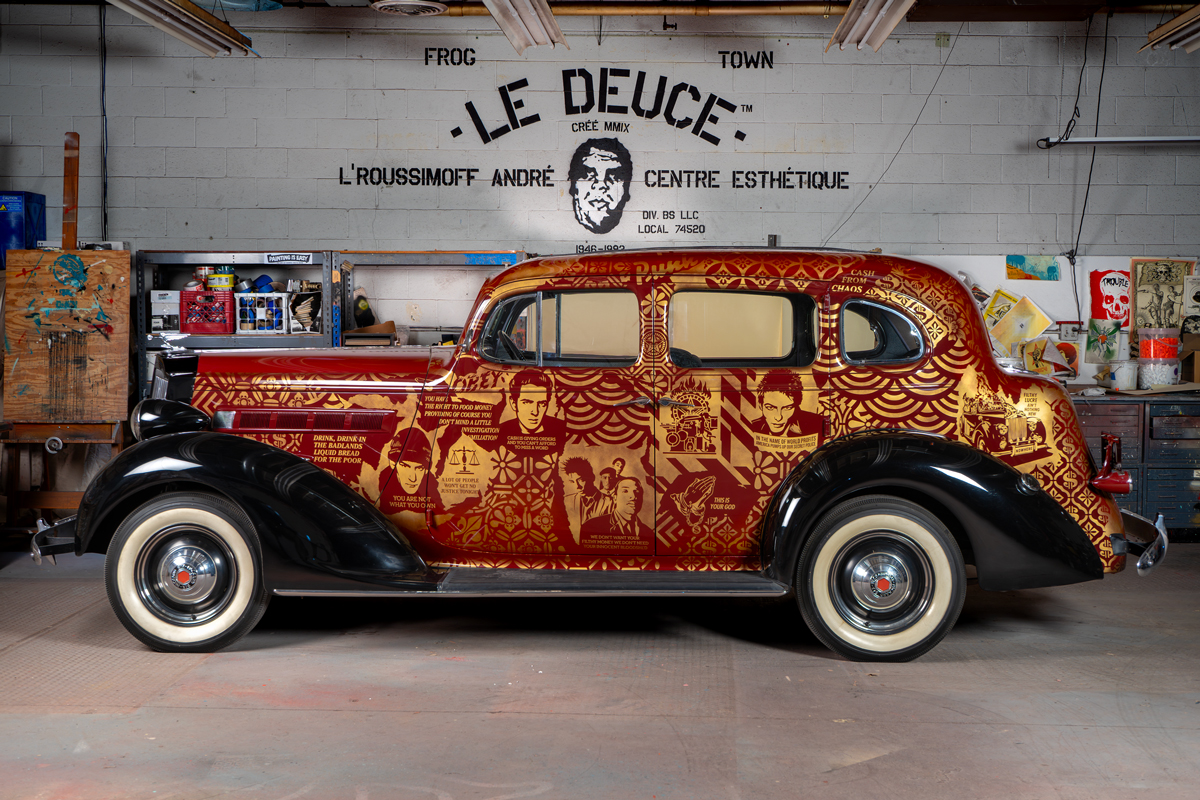
I have always had a very strong appreciation for vintage pieces, whether it is cars, clothing, watches, furniture, or even old photographs and objects. Age and stories add so many layers to an item that are almost impossible to recreate. A new object can be beautiful, perfectly made, and technically better, but a vintage piece often has something else: soul. You start wondering where it has been, who owned it, which cities it has seen, which moments it was part of. That history creates an emotional connection.
For me, this is also quite personal. The tuxedo I wear most often belonged to my grandfather, and many of my shirts and pieces of clothing come from my father or his brothers. Wearing them feels very different from simply buying something new. There is memory, continuity, and a sense of family history in them.
I also think worn things often look and feel better. A leather jacket, an old watch, a classic car interior. When they age well, they become more personal. The small imperfections are not necessarily flaws; they are part of the character.
Of course, I love new things too, especially when they are made with the same attention to detail and sense of timelessness. But in general, I am very drawn to pieces that already carry a story. They feel less disposable, less trend-driven, and somehow more human.
.webp)

.webp)